
The Steam Machine is walking into the same wall Valve hit in 2015
Casuals likely won’t touch it. PC gamers probably won't either. At $700 or more, this thing is built for hardly anyone.
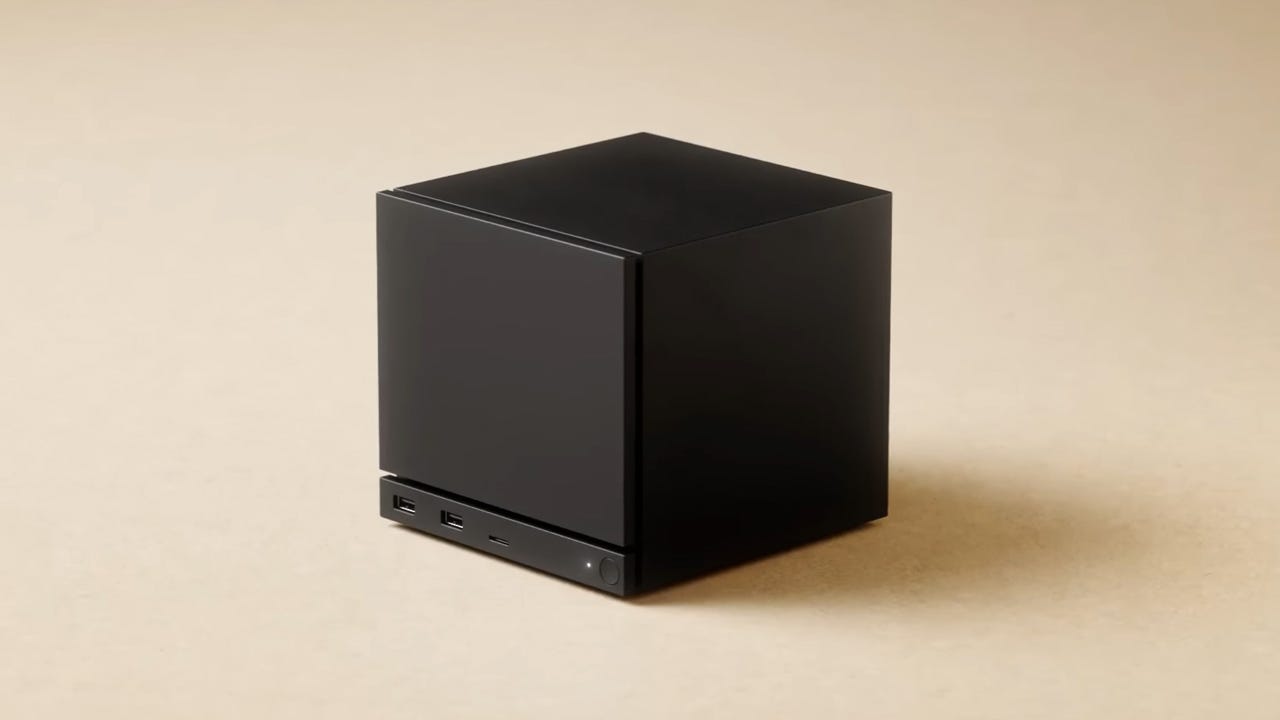
I’ve loved Valve and Steam for 21 years. My Steam account is older than most TikTok users and is actually old enough to vote.
I want Valve’s hardware projects to succeed. I really want to root for this thing. I want to get excited, but if the new Steam Machine launches at $700 or anything north of my own threshold, I think it’s marching straight into the same failure that killed the 2015 Steam Machines and nothing about the current landscape suggests a different outcome.
Valve recently told Linus Tech Tips that the device will be “priced like a PC” rather than like a console. When Linus pushed for something closer to console pricing, the Valve reps went quiet.
That silence says everything. If this box comes in at PC prices, then it’ll be judged like a PC. Judged like a PC, it has problems that no amount of goodwill from long-time fans can fix, IMO.
The mass market will never touch a $700 mid-range box
Newzoo’s 2024 figures show roughly 936 million PC players and about 645 million console players worldwide. However, consoles still generate more revenue, reaching about $45.9 billion versus the PC’s $39.9 billion.
The explanation isn’t complicated: Console buyers care about the sticker price. They don’t get swayed by long-term savings or free online play. They buy the device that costs $300 to $450, plug it into the TV, play the games they already know, and call it a day.
The PS5 has shipped more than 80 million units. Used units tend to drop to $300 to $350, depending on region. A PS5 Slim Digital often hits $399 during seasonal deals. A $700 Steam Machine with PlayStation-equivalent performance doesn’t stand a chance in that world.
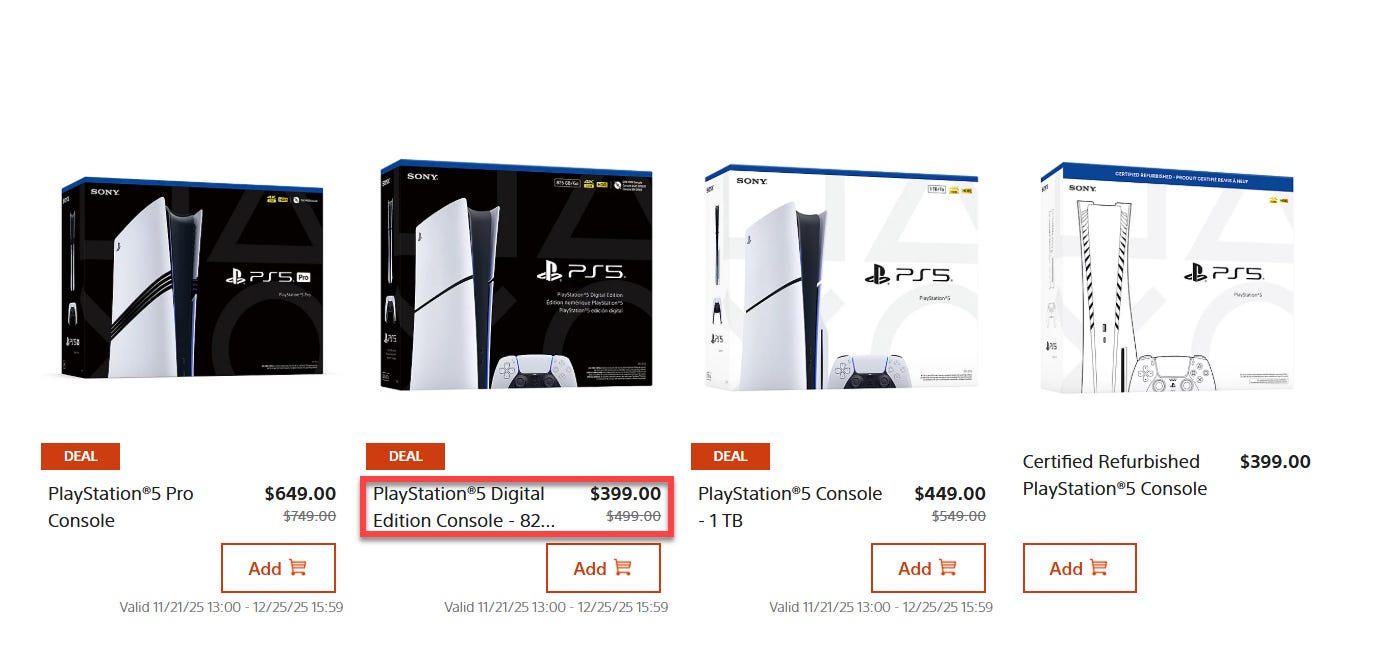
If reusable hardware and free online play were the big deciding factors, pre-built PCs plus Steam would’ve absolutely crushed consoles more than a decade ago, but they didn’t. That’s because people, especially casuals, choose lower upfront cost. Everything else is secondary.
Even PlayStation Plus numbers confirm this. Sony reports about 51.6 million PS Plus subscribers compared with roughly 119 million monthly active PSN accounts. A minority of console owners even pay for online access. When subscription prices rise, these people simply stop renewing. The hardware keeps selling anyway.
PC gamers likely won’t buy it either
The Steam Machine is built around performance that matches the middle of the Steam Hardware Survey. The most common discrete GPU among Steam users in 2024 and 2025 is the RTX 3060. Six-core and eight-core CPUs dominate, and 16GB to 32GB of RAM is now the norm. That’s the exact territory the new Steam Machine is being positioned in.
If you already own that hardware, why would you pay $700 for the same performance in a locked box under the TV? Nothing about that is an upgrade, it’s not compelling. Owners of median rigs don’t spend $700 to sidegrade into a system that can only be minimally repaired or expanded. PC users value control, longevity, and flexibility. The Steam Machine offers close to none of that.
Builders and laptop users aren’t the buyers either
The do-it-yourself crowd can assemble a system with standard parts for as low as $500. If you want something smaller, set aside $600. These devices get full replaceability, upgrade paths, compatibility, and a lifespan that stretches far longer than an APU sealed inside a proprietary chassis. They don’t want a device that behaves like a console when something breaks.
Laptop buyers are a different species entirely. They need a screen, a keyboard, a trackpad, a battery, and portability. A Steam Machine doesn’t have any of those, so I don’t think it can replace a laptop. It doesn’t solve any problem these users have.
People forgive the Steam Deck because it’s handheld
People keep comparing this thing to the Steam Deck, but that comparison works against the Steam Machine. The Deck gets endless forgiveness because it’s handheld. That form factor buys it goodwill that no living-room box will ever get.
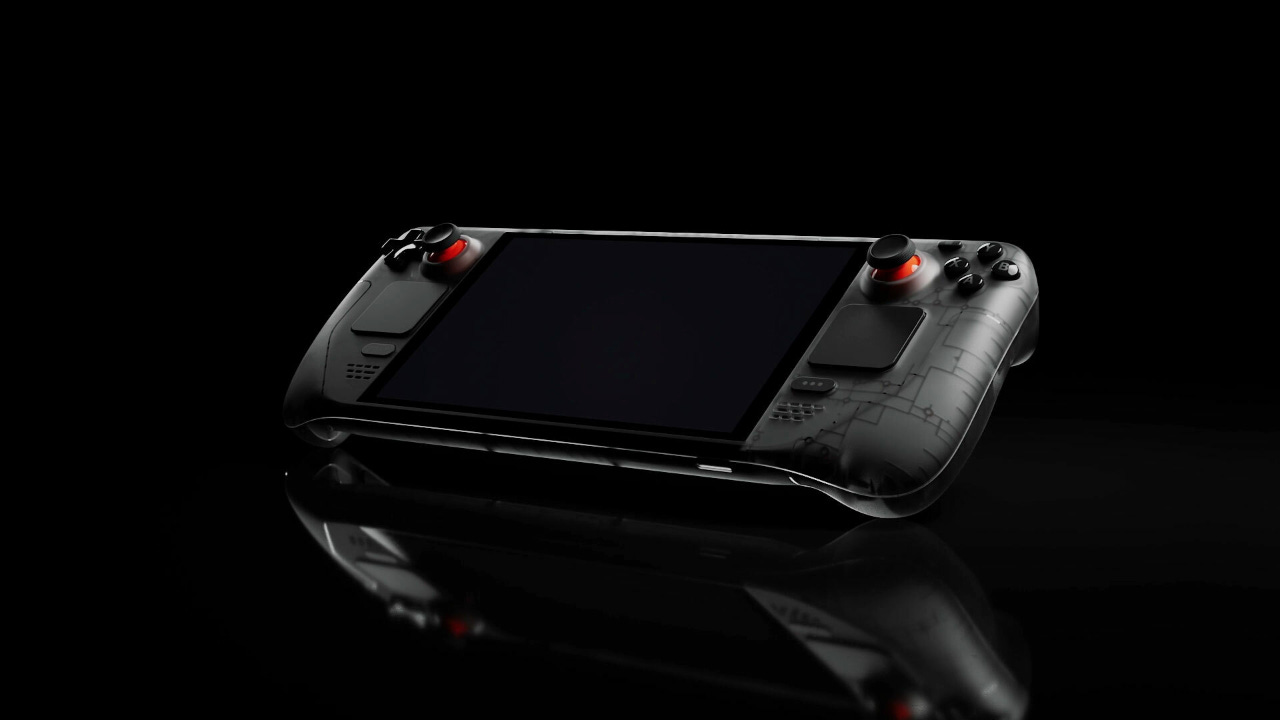
Even with weaker specs, people overlook the limitations because the portability, ergonomics, battery, controls, SteamOS integration, and sheer convenience make the Deck feel like magic. It’s a handheld PC that did something nothing else could do when it launched. It solved a real problem, and I believe it earned the hype.
A cube under the TV doesn’t get that grace period. A home console-style box with mid-range specs gets judged exactly like a PC because that’s what it is. The Steam Deck’s success doesn’t translate here, not even slightly.
So the $700 tier leaves only a thin sliver of potential customers:
Early adopters who buy new hardware just because it’s new.
The most devoted Steam loyalists who want the novelty of a Valve logo on the shelf.
That Venn diagram is microscopic. Successful products don’t survive on microscopic audiences, whether it’s hardware or software. Remember Concord?
Even I pause at my own sweet spot of $399-$499
If the Steam Machine lands inside this range, I could treat it as a dual boot set-up, letting me use it for work and gaming. It’s a tempting proposition on paper. Even then, the hesitation is real because the upgrade path is pretty poor.
A desktop PC is modular and repairable. If RAM dies, I swap the RAM. If a fan fails, I replace a fan. If a GPU dies, I buy a new GPU. If the power supply acts up, I change the power supply. I can troubleshoot one part at a time until the machine is fixed.
A Steam Machine isn’t built like that: its CPU and GPU are fused physically (but AFAIK the GPU remains discrete architecturally). The VRAM is fixed. So are cooling, power delivery, and internal layout. If something goes wrong in the wrong component, the entire box becomes a brick. That means I lose my work machine and my gaming machine in one stroke.
Worse still, the productive life of the Steam Machine won’t be long. It’s launching in 2026 with performance that already matches hardware from two to three years ago. Desktop hardware survives that timeline because it can be upgraded. Consoles survive because they’re heavily optimized and subsidized. A sealed PC sold at a PC price doesn’t survive that way. It ages, slows down, and beyond its limited upgrade options, it simply can’t evolve.
8GB VRAM in 2026 is a joke at $700
Furthermore, the rumored GPU inside, a custom RDNA 3 with 28 CUs, is often likened to a Radeon RX 7600 or an Nvidia RTX 4060. While these cards are popular, they’re definitively mid-range cards at best (Hardware Unboxed argues Nvidia’s 60 series cards are now budget-tier), and not the kind of component you build a $700+ locked system around for 2026.
Perhaps a bigger problem that’s impossible to ignore is the GPU memory. An APU with about 8GB of shared VRAM in 2026 isn’t positioned for smooth performance in modern AAA games. We can already see this today! Games like The Last of Us Part I, Resident Evil 4, Cyberpunk 2077: Phantom Liberty, Starfield, Hellblade II, and Hogwarts Legacy stutter and choke at 1080p high on 8GB cards.
The only way to remove these stutters is to step down to medium visuals. That’s pretty crazy for a $700 machine. High isn’t even the peak tier anymore because today’s games ship with very high, ultra, cinematic, ray tracing presets, and everything beyond high is where the real visual difference lives. Medium is just one notch above low and it feels like punishment on hardware that’s being sold as new.
And Valve claims it’ll run games at 4K 60 frames per second? On what settings, very low plus FSR Ultra Performance where the whole image looks like it has lotion smeared on it?
I’m not dropping $700 on a device that’s going to ask me to run 1080p medium settings in 2026. If I wanted medium settings, I already own hardware that can do that.
The 2015 Steam Machines failed for a reason
There’s a clear historical warning here: The first Steam Machines came out priced like PCs, running a Linux-based SteamOS, and promising a living room PC experience. They launched into a world where the PS4 and Xbox One were cheaper and easier to use. They vanished quietly because no one needed a PC in a console shell that cost more than the consoles it competed with.
Nothing that Valve has said about the upcoming Steam Machine suggests they’re avoiding the same trap. If anything, the “priced like a PC” comment sets this up as a replay of 2015. A mid-range PC in a small box. Locked hardware. SteamOS. And a sticker price that wipes out casual interest instantly.
That $700 dream survives only in a fantasy market
If this launches above my personal threshold, then the only buyers will be the early adopters who purchase anything shiny and the most loyal Valve fans who can rationalize a sealed PC without upgrades. That’s not a sustainable market.
Good luck outselling the Steam Deck (which sold about 3-6 million units). A $700 cube-shaped laptop with no monitor, keyboard, or battery is the kind of product that tops out at a couple of million units before disappearing.
Pricing the device at $399 would create a different problem because businesses would bulk buy them as cheap PCs. People online already talk about that. Valve could control it through account gating or purchase requirements on new accounts. They could force the device to be tied to a sufficiently active Steam library. Casuals wouldn’t be locked out because they can simply buy games during checkout. That’s normal behavior for a new user anyway.
But instead of grappling with any of these complexities, Valve looks ready to repeat what it attempted in 2015. A sealed PC sold at full PC price into a world where both casuals and PC owners already have better options.
I love Valve. I fucking love Steam. I want this device to succeed. If the Steam Machine comes in at the price of a console, I will cheer for it. If it comes in at the price Valve hinted at during the Linus interview, then it’ll walk straight into a wall that we’ve seen before, and it’ll hit it just as hard as last time.
I’m actively and fervently hoping that I’m completely wrong.